en
 English
GET A QUOTE
The essence of microwave heating is making water molecules in food generate heat through friction. But once moisture evaporates, the food surface struggles to reach the temperatures needed for browning and crisping — which is why microwave food often comes out soggy.
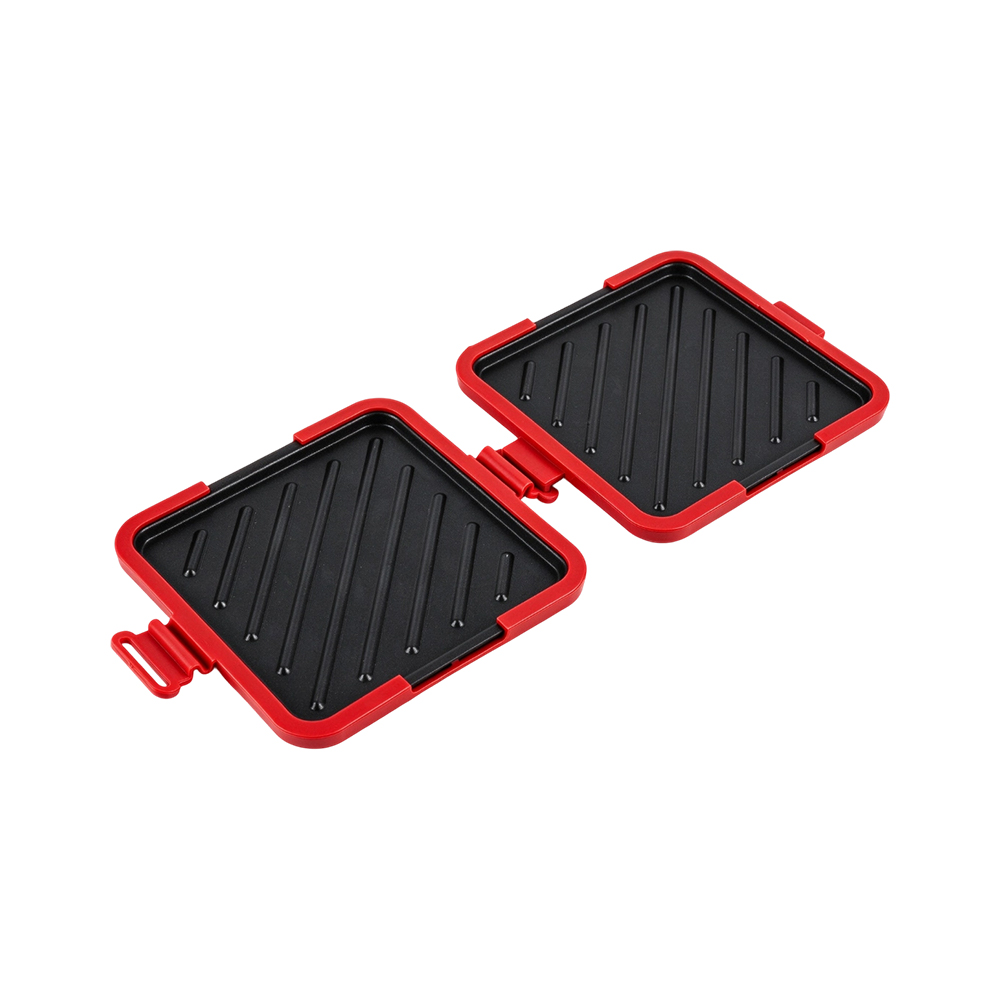
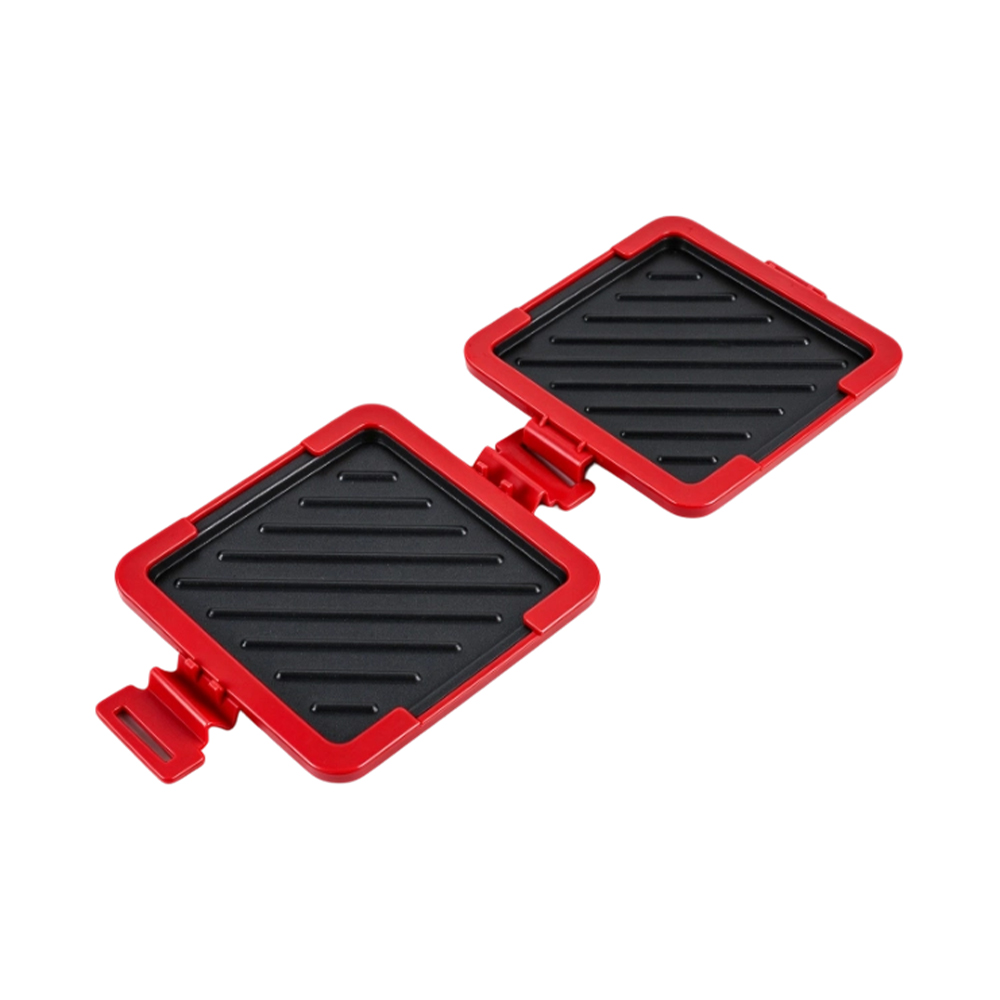
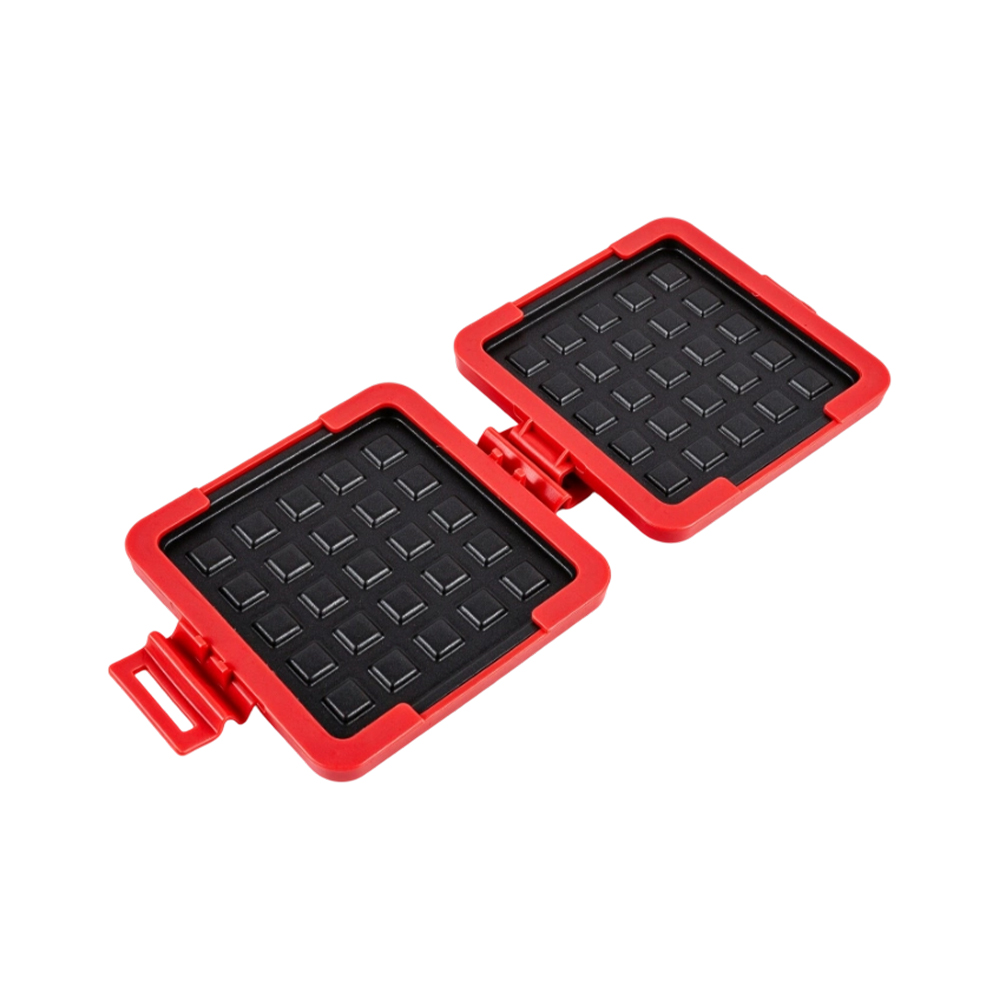
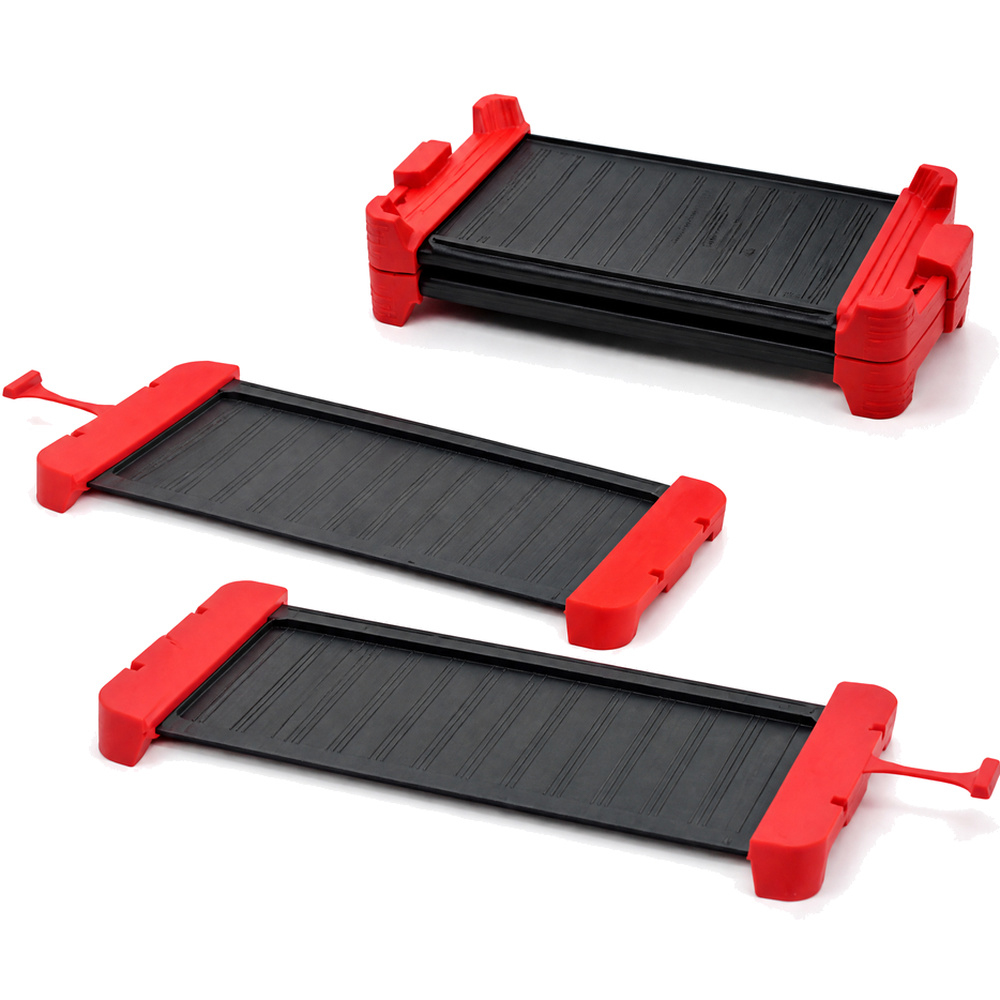
The core component that solves this problem in microwave baking trays is called a susceptor. It is an extremely thin layer of microwave-interactive material (typically less than 100 angstroms thick) that absorbs incoming microwave energy and converts it into heat, transferring it directly to the food contact surface. The susceptor is usually supported on a polymer film or paperboard substrate, laminated onto the areas of the tray that need browning, such as the top surface or side walls of the platform.
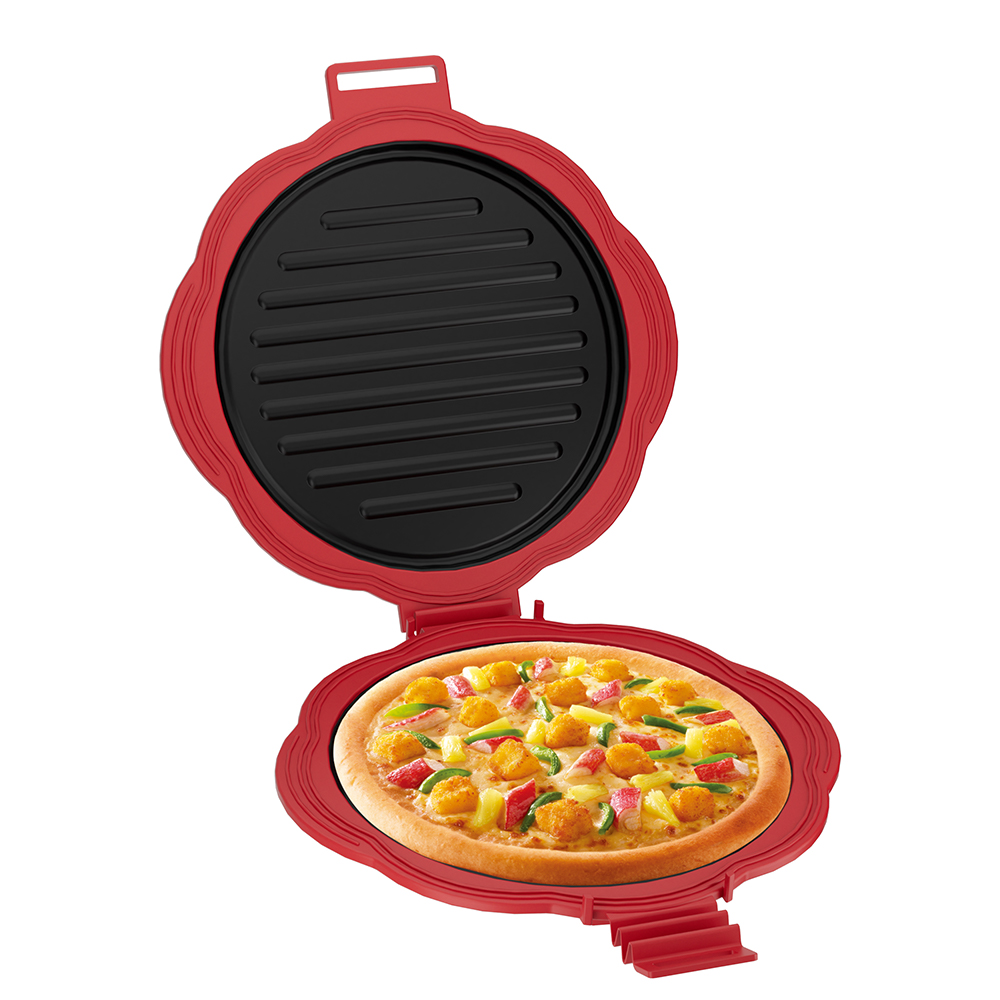
From a product design perspective, the pattern layout of the susceptor determines the browning effect. It can cover the entire platform surface, or be arranged in specific "browning mark" patterns that give bread or pizza bottoms a uniform baked texture. For foods requiring localized enhanced browning, the susceptor can also extend onto the vertical faces or corners of the tray, so that when food collapses during heating, those side surfaces still act as heating surfaces.
One notable technical detail: the power reflection characteristics of a susceptor degrade gradually with use. Patent data shows that ordinary susceptors experience a significant drop in power reflectance after repeated microwave exposure, while specially designed "abuse-tolerant" structures can slow this decay. This means tray durability depends not only on materials, but also on how well the susceptor pattern is matched to the microwave wavelength.