en
 English
GET A QUOTE
Microwave sandwich pans for breakfast are most useful when the goal is a repeatable morning routine rather than a single cooking trick. The United States Department of Agriculture lists 165°F as the safe minimum internal temperature for poultry, so fillings containing poultry should be checked rather than judged only by appearance. This guide explains how to select, use, clean, and evaluate a microwave sandwich pan for daily breakfast preparation.
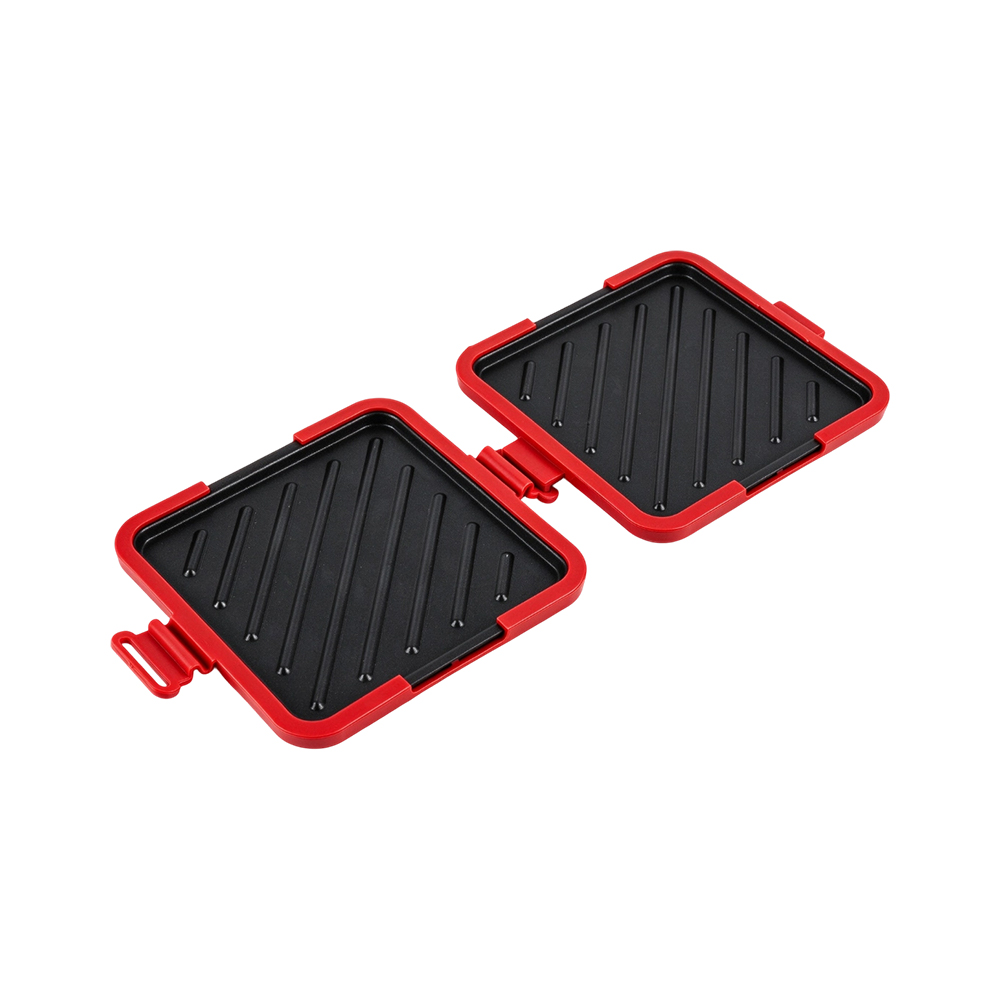
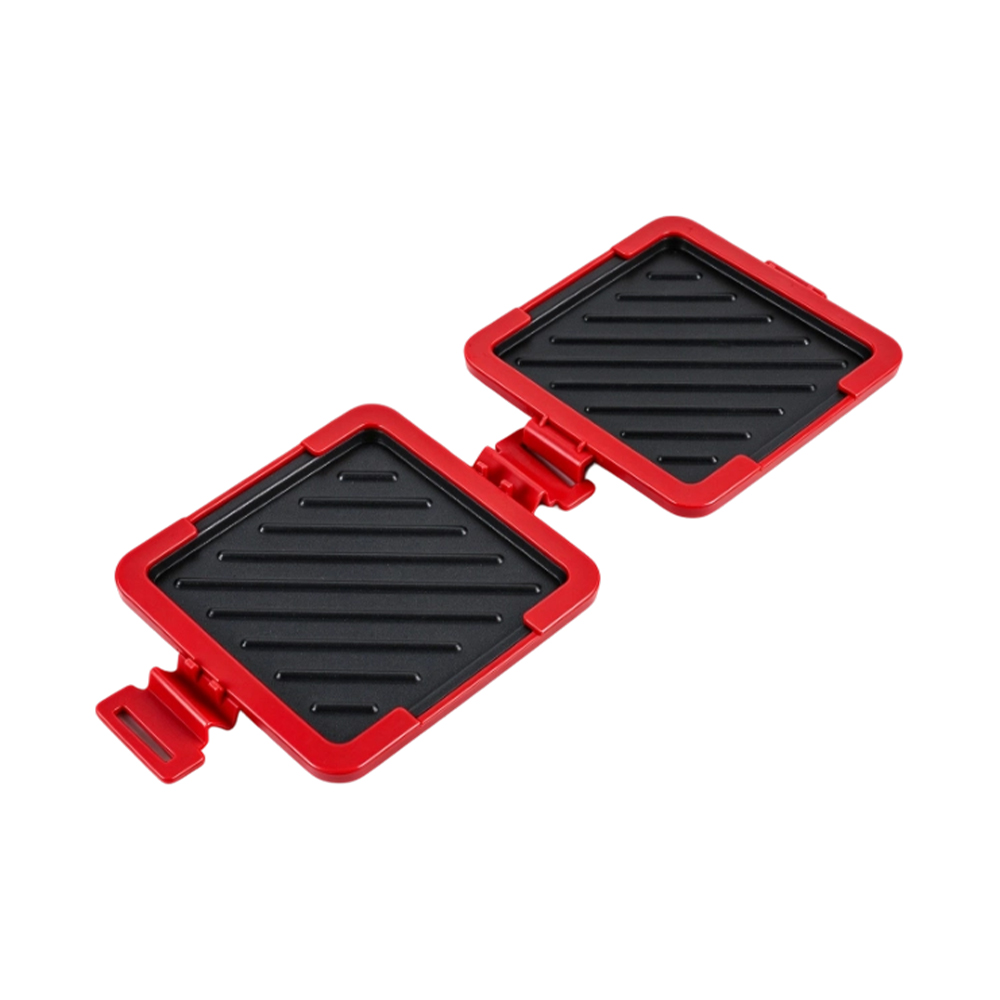
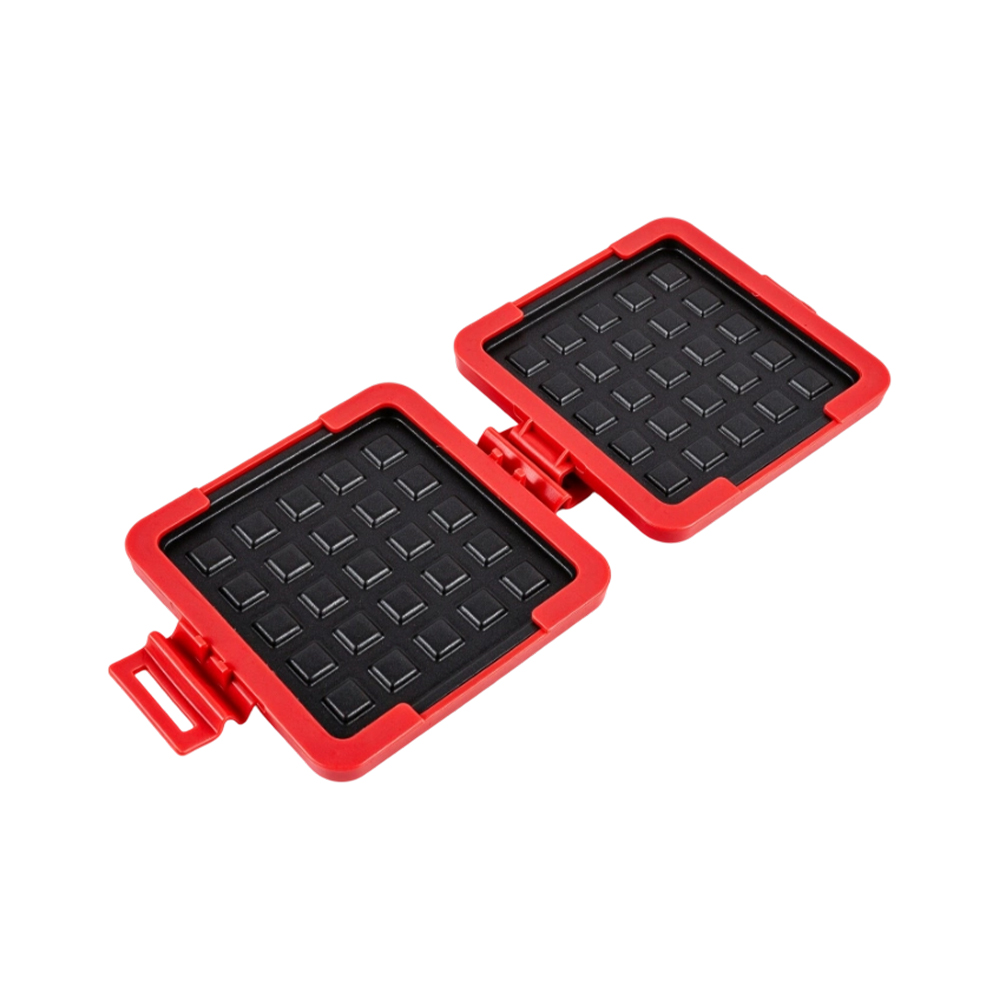
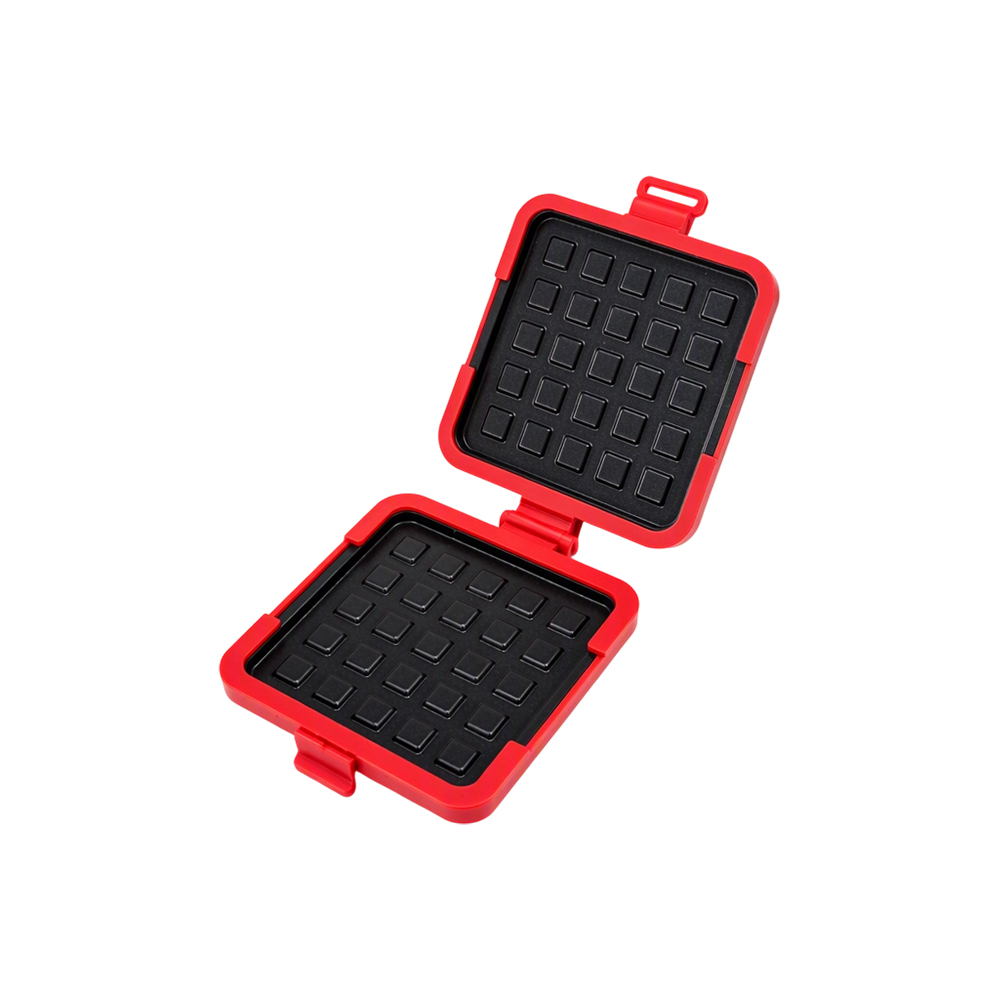
A microwave sandwich pan is valuable because it brings several breakfast steps into one controlled cooking format.
Many busy households face the same problem: breakfast must be prepared quickly, but a plate or ordinary microwave container may leave bread soft, fillings unevenly heated, and cleanup inconvenient. A purpose-designed pan can help organize the sandwich, contain the filling, and create a more consistent result when used with the correct microwave setting.
The main benefit is workflow control, not a guaranteed reduction in cooking time. A pan may reduce the number of dishes and handling steps, but actual heating depends on microwave power, food mass, moisture, starting temperature, and the arrangement of ingredients.
Moist fillings usually heat more readily than dry bread, so the best results come from balancing the ingredients. Excess sauce can create steam and leakage, while very dry bread can become tough around the edges.